TL;DR: OpenClaw is a free, open-source AI agent platform that runs on your hardware. You pick the model (Claude, GPT, DeepSeek, or local via Ollama), set up multiple agents with different jobs, and talk to them through WhatsApp, Telegram, or Slack. 335,000+ GitHub stars in 60 days, 13,700+ installable skills. I cancelled my ChatGPT and Claude subscriptions after switching. Self-host for free or grab a managed instance from OpenClaw VPS.
I was paying $40/month for ChatGPT Plus and Claude Pro. Two chatbots that couldn't touch my files, read my calendar, or send a WhatsApp message on my behalf.
I cancelled both after a week with OpenClaw.
So what is OpenClaw? It's an AI assistant that runs on my own server and talks to me through WhatsApp. I send it a photo of a parking receipt and it logs the amount into a spreadsheet. I tell it to book a flight and it opens Chrome and does it. I go to sleep with a bug open and wake up to a commit that fixes it. The thing runs 24/7 whether I'm at my desk or not.
335,000 developers starred it on GitHub in under two months, which beat React's 10-year record by a wide margin. It costs nothing.
What is OpenClaw?
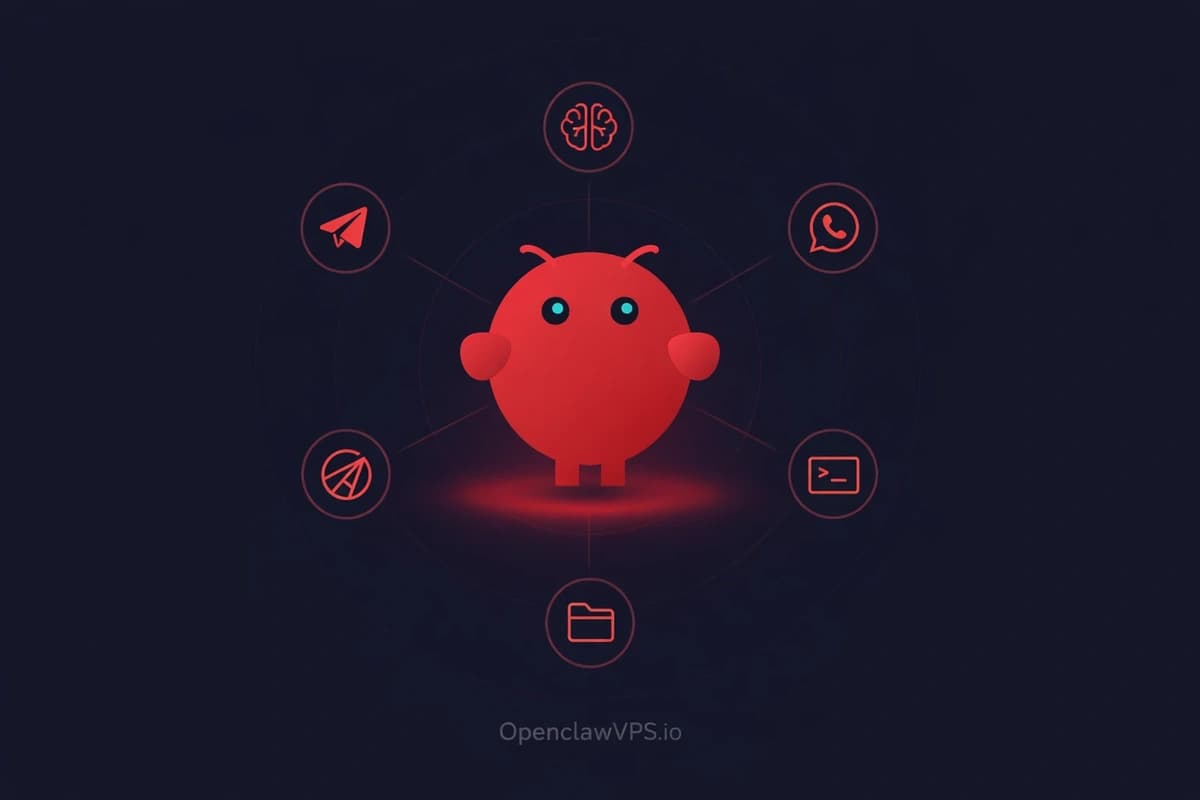
OpenClaw is an open-source AI agent platform. You install it on a server (or your laptop), point it at an AI model, and it becomes an always-on assistant that lives inside your messaging apps.
It's MIT-licensed, created by Peter Steinberger (the guy behind PSPDFKit, which he sold for $100M+). You pick whatever model you want: Claude for code, GPT for research, DeepSeek for cheap everyday chat. You can run multiple agents at the same time, each with its own personality and its own messaging channel, so your coding agent on Telegram doesn't get mixed up with your personal assistant on WhatsApp. And there are 13,700+ skills on the ClawHub marketplace for everything from web search to home automation.
Everything runs on your machine. Your conversations, your files, your data stay with you unless you choose to send them somewhere.
The project had three names in four months. Steinberger coded it as "Clawdbot" during a weekend in Madrid (November 2025). Trademark issues forced a rename to "Moltbot" in January 2026. Three days later it became OpenClaw. The name stuck.
On Valentine's Day 2026, Steinberger joined OpenAI. Jensen Huang called the project "the next ChatGPT." It kept growing without him.
- Nov 2025ClawdbotCoded in a weekend in Madrid
- Jan 2026MoltbotTrademark forced a rename
- Jan 2026OpenClawFinal name. It stuck
- Feb 14OpenAI hireSteinberger joins OpenAI
- Mar 2026Beat React250K+ stars, 10-year record broken
- Now335K ⭐Still growing without founder
GitHub stars: 0 to 335K in 60 days
How OpenClaw works (4 steps)
OpenClaw vs paid AI assistants
| Feature | OpenClaw | ChatGPT | Claude | Gemini |
|---|---|---|---|---|
| Runs locally (your data stays) | ✓ | ✗ | ✗ | ✗ |
| Pick any AI model | ✓ | ✗ | ✗ | ✗ |
| Multiple agents for different jobs | ✓ | ✗ | ✗ | ✗ |
| WhatsApp, Telegram, Slack access | ✓ | ✗ | ✗ | ✗ |
| 13,700+ tool plugins | ✓ | ✗ | ✗ | ✗ |
| Browser automation | ✓ | ✗ | ✗ | ✓ |
| Proactive scheduling | ✓ | ✗ | ✗ | ✗ |
| Works without setup | ✗ | ✓ | ✓ | ✓ |
| Polished mobile app | ✗ | ✓ | ✓ | ✓ |
| Free tier with no API key | ✗ | ✓ | ✓ | ✓ |
Click a platform name to highlight its column
From weekend project to most-starred repo ever
Security risks you should know about
How OpenClaw actually works
The Gateway is a Node.js service that sits between your messaging apps and your AI models. Every message you send from WhatsApp, Telegram, or wherever else goes through the Gateway first.
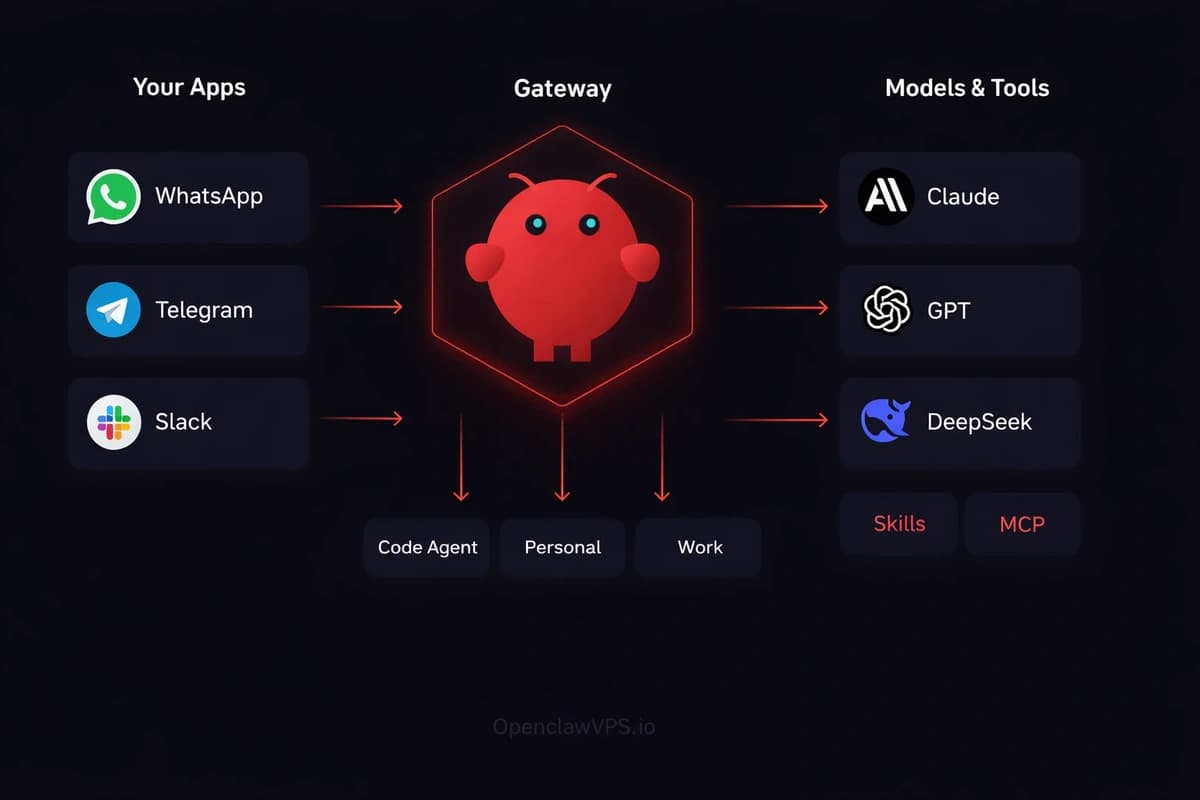
The Gateway figures out which agent should handle the message, sends it to the right AI model, and gives the agent access to whatever tools it needs: files, shell, browser control, API calls. The agent does its thing and sends the result back through the same chat.
Each agent has a personality file called SOUL.md. It's a markdown file where you define who the agent is and how it should act. My coding agent's SOUL.md says "you are a senior TypeScript developer, be concise, write tests." My personal agent's says "you are a friendly assistant, speak Italian when I do, manage my calendar proactively." I wrote both in about five minutes.
Adding a new agent takes maybe 10 minutes once you get the file structure. You create a workspace folder, write the SOUL.md, register it in the Gateway config, and bind it to a messaging channel.
Skills and MCP servers are how agents interact with the outside world. A skill might let your agent search the web or read a spreadsheet. MCP (Model Context Protocol) is the open standard that connects AI models to external tools. ClawHub has 13,700+ of these you can install with one command.
The part that surprised me most was the heartbeat system. The platform checks for work every 30 minutes even when you haven't said anything. My personal agent started reviewing my calendar each morning and sending a summary to my WhatsApp at 7:30 AM. I never asked it to do that. I just put "be proactive about my schedule" in the SOUL.md and it figured the rest out on its own.
- ⚡GatewayRoutes messages to the right agent
- 📝SOUL.mdDefines agent personality and rules
- 🔧Skills & MCP13,700+ tools to interact with the world
- 💓HeartbeatProactive checks every 30 minutes↻
What I actually use it for
These are from my chat history this week, not hypotheticals.
My coding agent runs Claude Sonnet and handles all development work. It reads my codebase, writes TypeScript, and runs tests. Last Tuesday I was stuck on a rendering bug at 2 AM, so I described the problem on Telegram and went to sleep. The agent had a fix committed by the time I woke up.
The personal assistant is the one I use most. It lives on WhatsApp. I sent it a photo of a parking receipt yesterday and it pulled the amount, date, and vendor into my Google Sheet automatically. I used to do expense logging in painful monthly batches, now it happens in real time. Pairing the bot to WhatsApp took about five minutes.
I also keep a DeepSeek agent running through Ollama for casual stuff. Translations, brainstorming, quick questions that don't need a $15/million-token model. It runs on my own hardware so the API cost is zero.
And there's a browser automation agent that fills out repetitive web forms. Vendor onboarding paperwork, government portals. I describe what needs to happen in plain English and the agent drives Chrome through it.
Beyond my four agents, the broader list of patterns that survive a real workflow covers most of the consumer side, from voice-note journals to a household command center.
Reads codebase, writes TypeScript, runs tests, commits fixes overnight
Expense logging from photos, calendar management, daily summaries
Translations, brainstorming, quick questions. Zero API cost
Fills out web forms, vendor onboarding, government portals
Tired of managing servers just to run your AI assistant? OpenClaw VPS gives you a security-hardened OpenClaw instance with one-click setup, automatic updates, and always-on uptime. Plans start at $19/month.
What OpenClaw gets wrong
The security situation is rough, and I'm not sugarcoating it.
135,000+ instances are sitting on the public internet with no authentication. API keys stored in plaintext, shell access wide open. Palo Alto, CrowdStrike, and Cisco all published warnings. A campaign called "ClawHavoc" planted 800+ malicious skills in ClawHub that delivered the Atomic macOS Stealer trojan.
The root problem is that it runs with full system access and no sandbox. A compromised skill can do anything your agent can do. If you install the wrong skill, it can read your SSH keys or exfiltrate files from your machine.
Cisco found that 20-26% of ClawHub skills contain at least one vulnerability. Over 230 were flagged as outright malicious.
⚠ Security Risk Overview
- 135,000+
- Exposed instances/ No authentication, API keys in plaintext
- 800+
- Malicious skills/ ClawHavoc campaign, Atomic macOS Stealer trojan
- 20–26%
- Vulnerable skills/ Cisco audit of ClawHub marketplace
- 230+
- Flagged as malicious/ Outright dangerous. Data exfiltration, backdoors
I locked my instance down on day one with firewall rules, skill vetting, a non-root user, and a reverse proxy with authentication. The setup took maybe 20 minutes, but most people won't bother, and the defaults will burn them. If server security isn't something you want to deal with, managed hosting makes more sense.
Running it without proper security is asking for trouble. OpenClaw VPS ships with a hardened security image, authentication out of the box, and automatic updates that patch vulnerabilities before they hit your server.
How to get started
You can self-host for free or use managed hosting. Here's both.
Self-hosting:
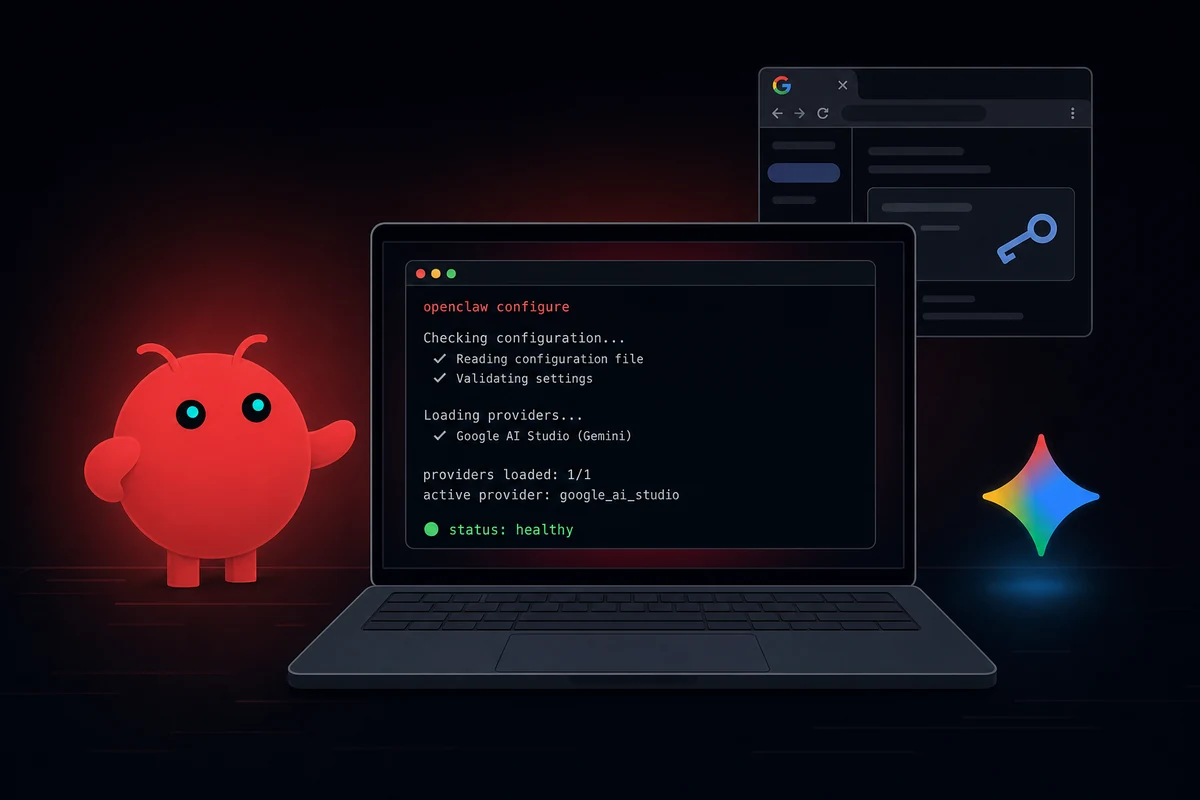
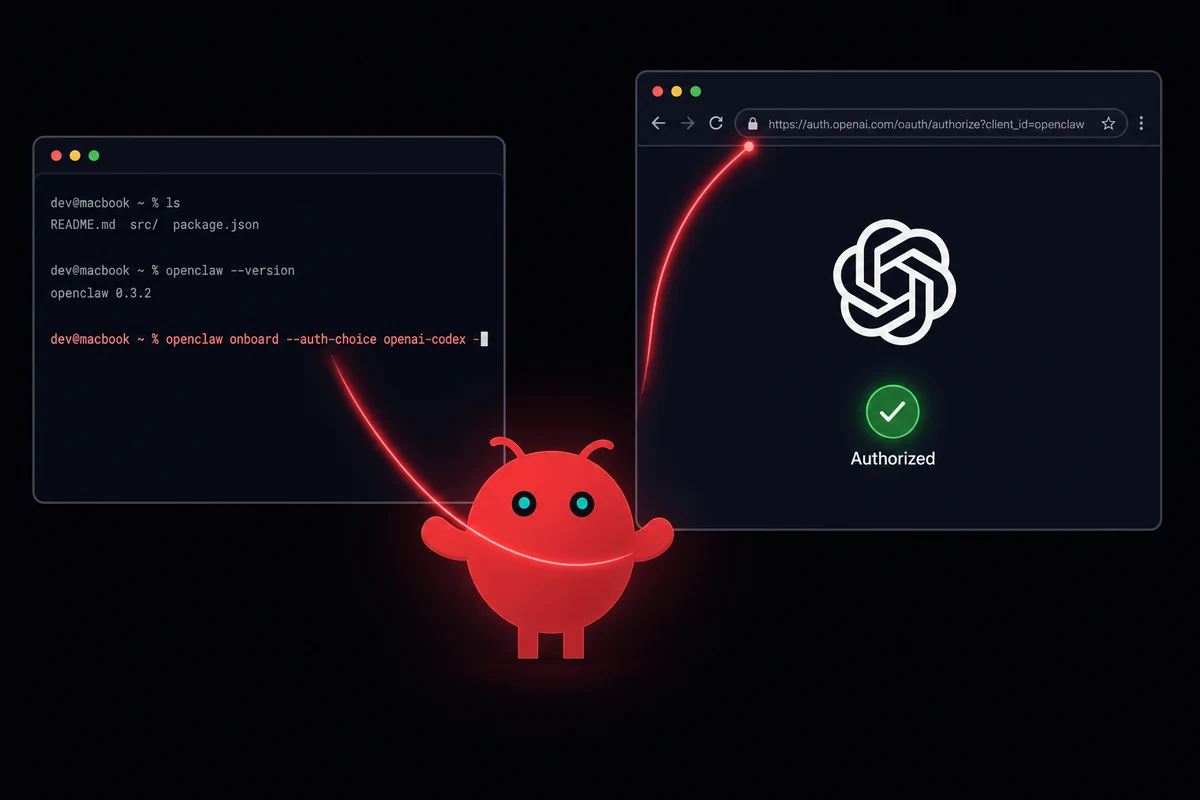
curl -fsSL https://openclaw.ai/install.sh | bashWorks on Mac, Linux, and Windows (WSL). You'll need an API key for at least one AI provider. The onboarding wizard walks you through model setup and channel connections. Budget 30-60 minutes for first-time setup including adding your first models and connecting your skills.
Managed hosting:
OpenClaw VPS gets you a running instance in about a minute. Starter plan ($19/mo) includes 2 vCPU, 8 GB RAM, 50 GB SSD, and free AI credits. You skip the terminal entirely, and security is handled for you.
Once it's running, connect a messaging channel (WhatsApp is the most popular), write a SOUL.md for your first agent, and install a few skills from ClawHub. Send a message and see what comes back. The first time your assistant actually does something on WhatsApp that ChatGPT can't, you'll understand why 335,000 people starred this thing.
Ready to try it?
Self-host it for free, or deploy a hardened instance through OpenclawVPS in about 60 seconds.